
January 17, 2026
What to Expect at Your First Physical Therapy Session
Walking into a medical office for the first time creates a mix of emotions. You might feel relieved that you are finally addressing your pain. You likely also feel nervous about what comes next. Most people do not know what happens during a physical therapy evaluation. One thing we always tell our client at Prestige Medical and Physical Therapy is that knowledge is the best antidote to anxiety.
You’ll learn every step of your first appointment with us. We will cover what you need to wear and the papers you need to bring. We will also explain the physical tests we perform and how we create a plan specifically for you.
(1) How Should You Prepare for Your First Appointment?
A smooth experience starts before you even arrive at the clinic. There are a few important items you can manage in advance.
What to Wear
We need to see and move the body part that is bothering you. If you come in tight jeans or a stiff dress shirt, it becomes difficult for us to examine your knee or shoulder properly.
We recommend the following attire for your evaluation:
Loose and Comfortable Clothing: Wear gym clothes or loungewear that allows you to move freely.
Accessible Layers: If we are treating your shoulder or neck, wear a tank top or a loose t-shirt. This allows us to see the muscle definition and check for swelling without you needing to change.
Shorts for Lower Body Injuries: If you have hip, knee, or ankle pain, please wear shorts. We need to observe the alignment of your legs while you stand and move.
Proper Footwear: Please wear sneakers or athletic shoes. Sandals and boots do not provide the support needed for stability testing.
What to Bring
We want your check-in process to be fast and easy. Please gather these items before you head to Prestige Medical and Physical Therapy:
Identification and insurance cards to verify your coverage and set up your billing profile correctly.
Medication list to know what prescriptions or supplements you are taking. Some medications affect balance or pain tolerance.
Doctor referrals If any physician referred you to us. Please bring the prescription or referral slip. This often contains specific instructions or diagnosis codes we need.
X-ray or MRI reports if you have had them related to your injury.
(2) Initial Evaluation Starts With Your Medical History

Many new patients worry that their first session will be painful or difficult. Your first visit is different from follow-up appointments. We call this session the Initial Evaluation. The primary goal is investigation rather than intense exercise.
Our team needs to understand the root cause of your issue before we treat it. Pain in your shoulder might actually come from your neck. Knee pain could result from weak hips.
We gather data about your body and your history. This ensures that the treatment plan we build is safe and effective for your specific needs.
We will be discussing your condition. We call this the "Subjective Examination." We will ask you detailed questions to build a complete picture of your health.
When did the pain start? Was there a specific accident, or did it come on gradually over time?
What movements make the pain worse? What positions make it better? Is the pain worse in the morning or at night?
We need to know about past surgeries, other injuries, or chronic conditions like diabetes or arthritis. These factors influence how your body heals.
We need to know what you want to achieve. A grandmother who wants to lift her grandchild has different needs than a college athlete who wants to sprint. We tailor our approach to fit your life.
(3) What Happens During the Physical Examination
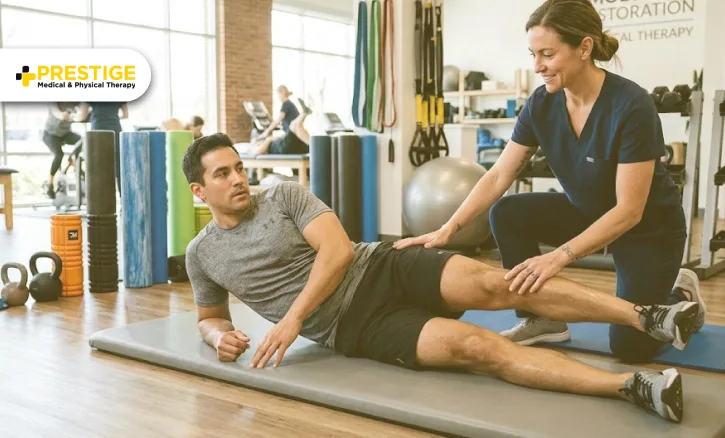
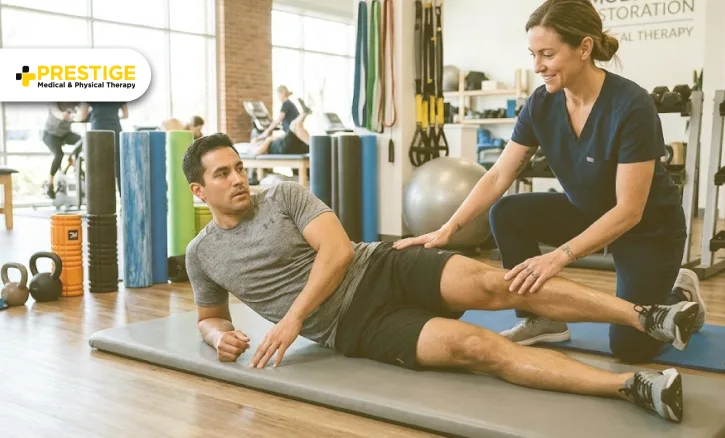
Once we understand your history, we move to the physical assessment. We call this the "Objective Examination." We use specific tests and measures to gather hard data about your condition to pinpoint the source of your problem.
(I) We will check how far you can move your joints.
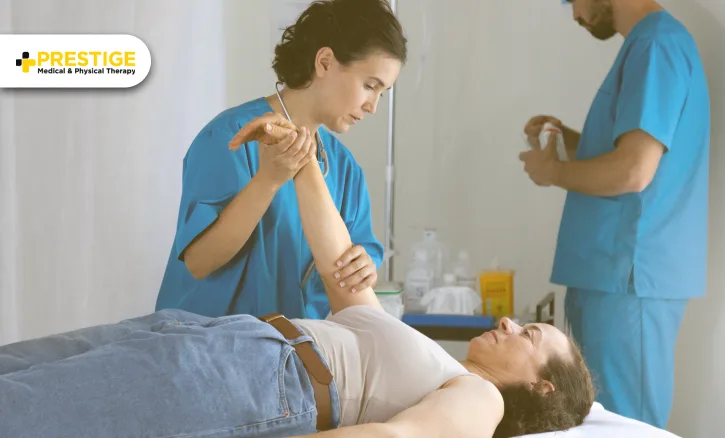
We compare the painful side to the healthy side. We use a tool called a goniometer to measure the exact angles. For example, if you have shoulder pain, we will ask you to raise your arm as high as you can. We look for stiffness or limitations that prevent normal movement.
(II) We test your strength by asking you to push against our hand.
We grade your strength on a specific scale to highlight imbalances. You might have a strong quad muscle but a weak hip muscle. That imbalance forces your knee to work too hard. Identifying these weaknesses allows us to prescribe the right strengthening exercises.
(III) We will gently press on the injured area.
We are looking for several things:
Tenderness: We identify exactly which ligament, tendon, or muscle is sore.
Swelling: We feel for fluid buildup or inflammation in the joint.
Temperature: An injured area often feels warmer than the surrounding skin.
Muscle Tone: We check for tight knots or spasms in the muscle tissue.
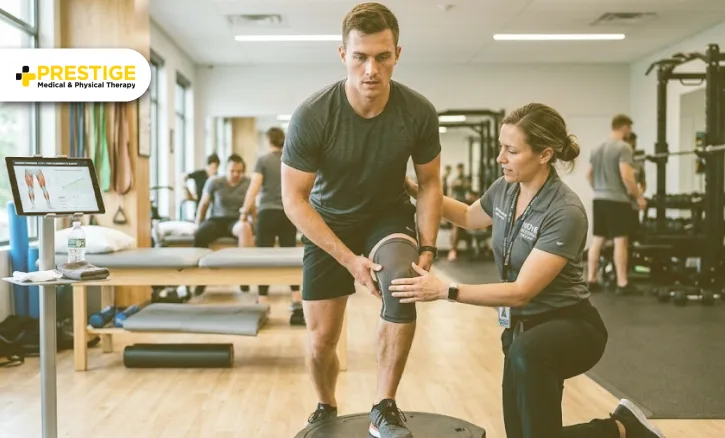
(IV) We need to see how your body moves as a whole system.
We may ask you to walk, squat, balance on one foot, or reach behind your back. We watch your form closely and look for compensations. A compensation happens when your body changes the way it moves to avoid pain. These habits can cause long-term issues if we do not correct them.
(V) We will check your nerves if you have pain that travels down your arm or leg.
We test your reflexes with a rubber hammer. We also check your sensation to see if you have numbness or tingling. This helps us determine if the pain originates from your spine or from a local injury.
(4) How Do We Explain Your Diagnosis and Education

After we finish the tests, we will explain your diagnosis and help you understand exactly what is happening inside your body.
We might explain that your back pain is actually caused by tight hamstrings and a weak core. Understanding the "why" behind your pain helps you commit to the recovery process. If you feel confused, we encourage you to ask about anything that concerns you.
(5) What Will Be Included in Your Treatment Plan
Once we have a diagnosis, we create a roadmap for your recovery. It outlines the strategy we will use to get you back to full function.
The plan typically includes the following details:
Frequency: How many times per week you need to come in.
Duration: How many weeks we expect the treatment to last.
Milestones: The specific goals we want to hit along the way.
(6) Will You Receive Immediate Treatment

You will likely receive some treatment during this first visit. We do not want you to leave in the same amount of pain you arrived in. We want to provide some immediate relief.
The treatment on day one is usually gentle. It may include:
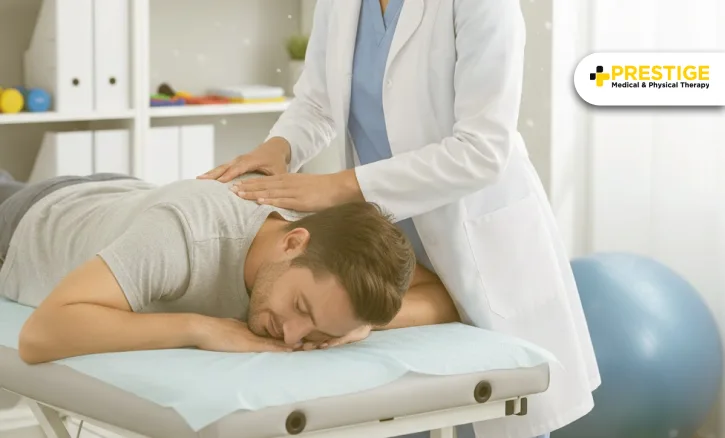
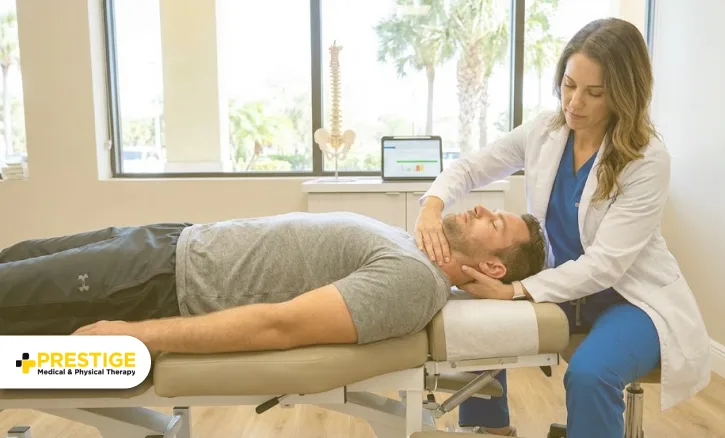
Manual Therapy: We might use hands-on techniques to loosen tight joints or massage sore muscles.
Modalities: We may apply ice packs to reduce inflammation or heat packs to relax tight tissues. We might also use electrical stimulation to decrease pain.
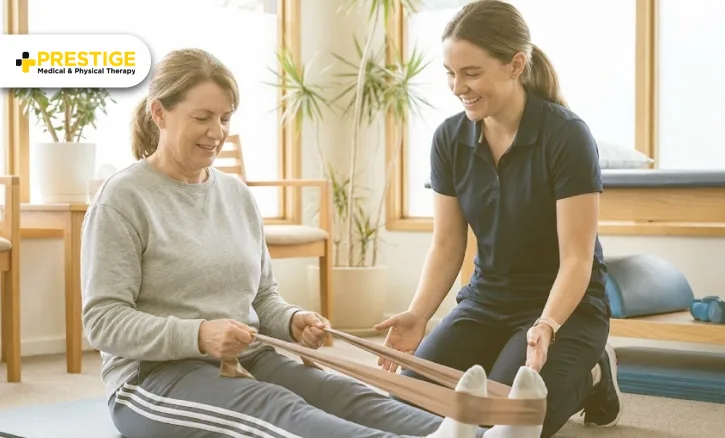
Simple Movements: We will teach you one or two basic movements to start getting your joints moving correctly.
(7) Why are Home Exercises So Important
Physical therapy extends beyond our clinic walls. You are with us for only a few hours a week but on your own for the rest of the time. To make real progress, you must work on your recovery at home.
We will provide you with a Home Exercise Program, or HEP. This is a short list of exercises customized for you. We will practice them together in the clinic first.
These exercises are the key to getting better faster. Consistency with your home program is the single biggest predictor of success.
(8) Check Out and Scheduling
At the end of the session, you will return to the front desk. Our administrative team will help you schedule your future appointments. It is often best to book several sessions in advance to secure the times that work best for you.
They will also handle the financial details. They can explain your insurance benefits and collect any copays.
Many people delay physical therapy because they are afraid of the pain or the time commitment. We want to assure you that the hardest part is simply walking through the door. Once you are here, you will find a supportive and encouraging environment.
If you feel any kind of pain and you're confused about what to do, contact Prestige Medical and Physical Therapy today to schedule your initial evaluation.
Frequently Asked Questions
How long does the initial evaluation typically last?
Most initial evaluations last between 45 to 60 minutes to ensure we have ample time for a thorough assessment and discussion.
Will I feel increased soreness after my first visit?
Some mild muscle soreness is normal as we move and test areas that may be stiff, but this usually resolves within 24 hours.
Do I strictly need a doctor's referral to schedule an appointment?
Many states allow direct access to physical therapy without a referral, though we recommend checking your specific insurance plan requirements first.
Can I go to the gym or exercise immediately after my session?
We generally advise resting the specific injured area on evaluation day so your body can settle, but working out other body parts is typically fine.
What if I am in too much pain to perform the tests?
We modify our examination based on your current pain levels and will never force you to do movements that cause significant distress.
Disclaimer: This article provides general information only and does not establish a patient-therapist relationship. Please contact Prestige Medical and Physical Therapy for personalized diagnosis and treatment.
Recent Blogs