March 19, 2026
Essential Mobility Restoration Tips for Faster Recovery After Injury
An injury often feels like a sudden wall in the middle of a clear path. It disrupts your daily routine and affects your mental wellness. Most importantly, it distances you from the activities that bring you joy. Prestige Medical & Physical Therapy understands the frustration of a forced pause. We see the determination in our patients who want to return to their jobs and their families. Use of specific mobility exercises for injury recovery helps you handle the journey back to full health safely.
The road to restoration does not require a choice between total stillness and painful exertion. True healing happens in the space between those extremes. We believe that informed patients achieve better outcomes. By understanding how your body heals, you can take an active role in your own progress.
1) The Transition from Rest to Active Restoration
For decades, the standard advice for any injury was total rest. Doctors recommended staying in bed and avoiding all movement. Modern medical science now offers a different perspective. While the initial stage of an injury requires protection, prolonged inactivity can actually hinder your progress.
"The CDC reports that regular physical activity provides immediate health benefits. It reduces the risk of chronic conditions and improves the healing process for various physical ailments."
(Source: Centers for Disease Control and Prevention)
Benefits of Controlled Motion
Movement encourages blood flow. It delivers oxygen and essential nutrients to the damaged tissues. It also helps flush out the waste products of inflammation. We refer to this as active recovery. However, this movement must be controlled and intentional.
Avoidance of Muscle Decay
The goal of restoring motion is to regain the ability to move a joint through its full range without pain. This differs from simple stretch routines. Mobility involves strength and control. It ensures that your joints remain stable while you move.
Explore more: What to Expect at Your First Physical Therapy Session
2) Early Mobility Exercises for Injury Recovery and Health
The body is highly efficient. When you stop using a muscle group, the body begins to conserve energy by breaking down that tissue. This process is known as atrophy. It can start within just a few days of total inactivity.
"Data from the NIH indicates that musculoskeletal disorders are a leading cause of disability in the United States. Early intervention and movement based therapies significantly reduce lasting disability rates."
(Source: National Institutes of Health)
Nerve and Muscle Communication
Starting restorative drills early helps maintain the connection between your brain and your muscles. Professionals call this neuromuscular control. When you get injured, the nerves often stop communicating effectively with the affected area. Gentle motion drills keep those pathways open. They prevent the stiffness that often follows surgery or trauma.
Safe Motion Timelines
However, timing is everything. Our team monitors the inflammatory phase closely. Once the initial swell subsides, we introduce movements that challenge the tissue without causing further damage. This approach shortens the overall recovery timeline.
Related post: Neck and Back Pain Relief Without Surgery: Proven Therapy and Chiropractic Approaches That Work
3) Three Core Pillars of Functional Mobility Restoration After Injury
To build a solid foundation for your recovery, we focus on three specific areas of movement. Each pillar supports the others. Skip one can lead to imbalances that increase the risk of future injuries.
Joint Range Recovery
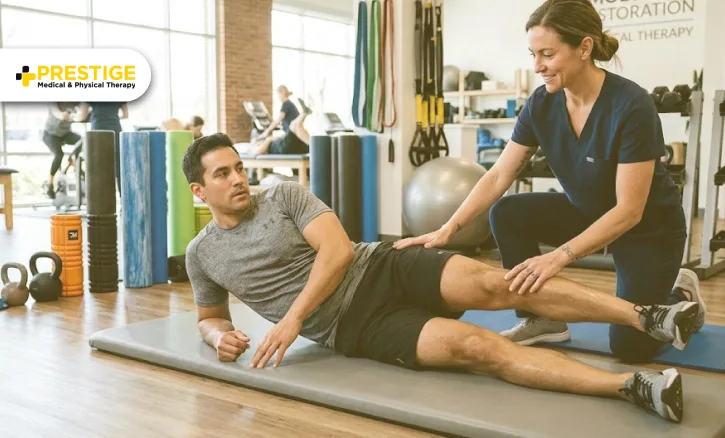
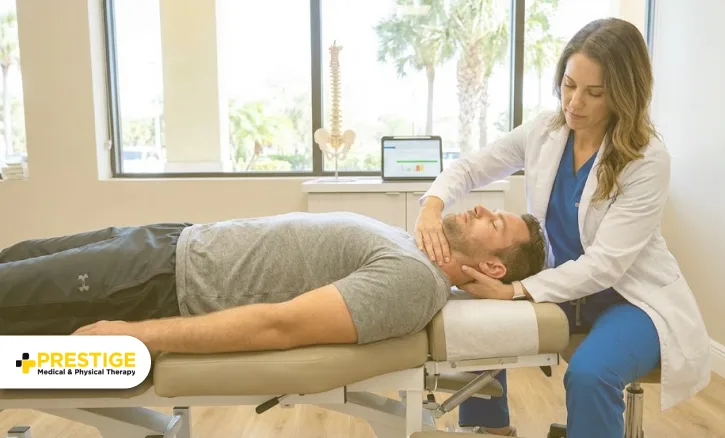
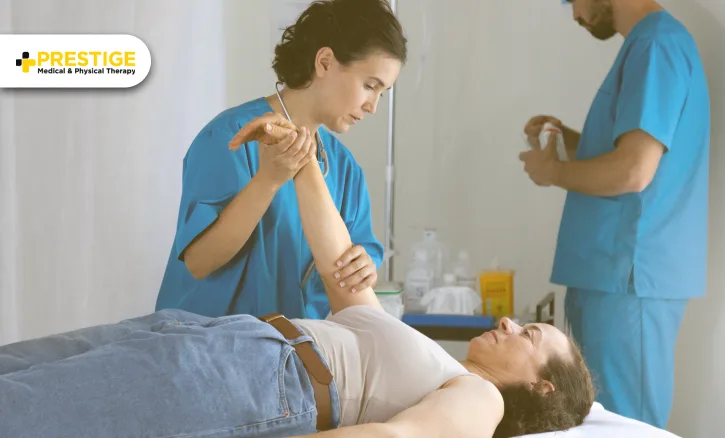
Range of motion refers to the distance and direction a joint can move. After an injury, scar tissue often limits this movement. We begin with passive movement. This means a therapist or a tool moves the joint for you. Gradually, we progress to active motion where you move the joint using your own muscle power.
Stability and Balance
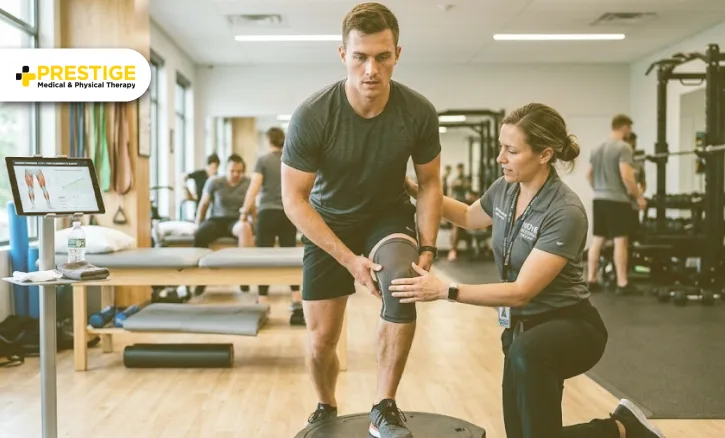
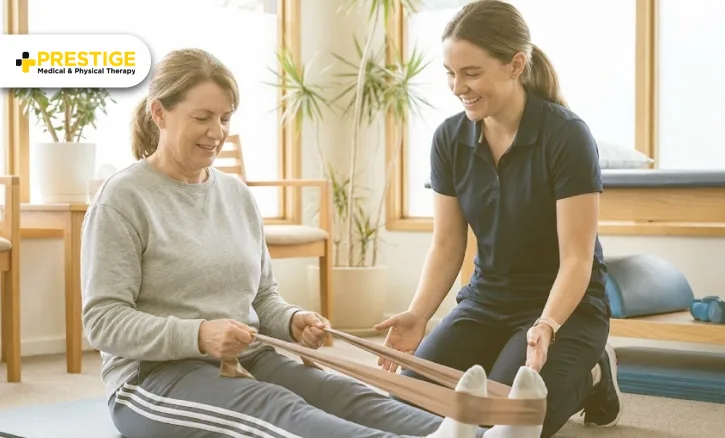
A mobile joint is only useful if it is also stable. Stability comes from the ligaments and the small muscles surround the joint. We use balance drills and isometric holds to build this stability. These movements teach your body to stay aligned even when you are on the move.
Muscle Length and Elasticity
Flexibility involves the ability of your muscles to lengthen. We focus on functional flexibility. This means the muscles can lengthen while you perform a task. This prepares you for real life movements like reach for a high shelf or climb stairs.
4) Risks of Prolonged Rest and Inactive Injury Recovery

Choosing not to move carries its own set of risks. Beyond muscle loss, inactivity affects your cardiovascular health. It can also lead to secondary pains. For example, a person with a knee injury might develop back pain because they sit in an awkward position all day.
"The CMS highlights that physical therapy and active rehabilitation are cost effective ways to manage recovery. These methods often prevent the need for more invasive and expensive surgeries later in life."
(Source:Centers for Medicare & Medicaid Services)
Heart and Lung Health
We prioritize movement to keep your entire system healthy. A body in motion tends to stay in motion. By keeping the rest of your body active while the specific injury heals, you maintain your overall fitness. This makes the final transition back to your normal life much smoother.
Prevention of Compensatory Injury
When one part of the body stops moving, other parts overwork to compensate. This often leads to new injuries in unrelated areas. Proper motion drills ensure that the load remains even across your entire skeletal system.
5) Customized Injury Rehabilitation and Mobility Therapy Plans from Prestige Medical & Physical Therapy
Every injury is unique. A protocol that works for a sprained ankle will not work for a torn rotator cuff. This is why professional assessment is vital. Prestige Medical & Physical Therapy creates a roadmap specifically for your body.
"The HHS emphasizes the importance of personalized healthcare plans. Tailored interventions lead to higher patient satisfaction and better clinical results across all demographics."
(Source: United States Department of Health and Human Services)
Individual Healthcare Strategies
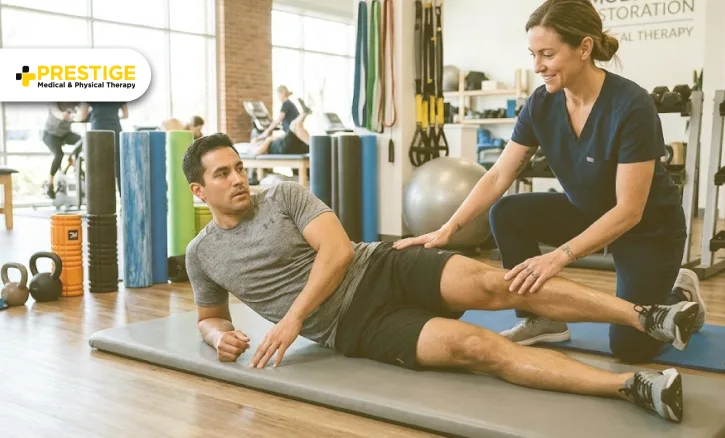
We use advanced diagnostic tools to measure your current capabilities. We then set realistic milestones. Our staff provides the feedback you need to know if you do a drill correctly. Form is more important than intensity.
Metric Based Progress Tracking
Doing a movement wrong can create a new problem. Doing it right under our supervision ensures your safety. We track every small gain to ensure you stay on the path toward your ultimate goal.
6) Listen to Your Body During Mobility Based Recovery
During recovery, you will feel many different sensations. Some are helpful. Others are warnings. We teach our patients how to distinguish between these signals.
Pain Scale Distinction
Discomfort is a normal part of the process. As you break down old scar tissue and stretch tight muscles, you will feel some tension. This is often a dull ache. However, sharp or stab pain is a signal to stop.
Realistic Recovery Timelines
We encourage you to be patient with yourself. Heal is not a linear process. You will have days where you feel strong and days where you feel stiff. Consistency over time produces the best results. We adjust your plan whenever your body needs a different approach.
7) Nutrition and Hydration Strategies to Support Tissue Repair and Mobility Recovery

Restore motion is not just about movement. It is also about what you put into your body. Your tissues need building blocks to repair themselves. Proteins and vitamins play a crucial role in the remodel of collagen.
"The FDA monitors the safety of supplements and medical foods used in recovery. A balanced diet supported by evidence based nutrition is fundamental to tissue repair and immune function."
(Source: Food and Drug Administration)
Nutrient Density for Cells
The body requires specific amino acids to rebuild muscle and tendon fibers. We recommend a diet rich in lean proteins and leafy greens. These foods provide the raw materials for cell regeneration.
Hydration for Joint Health
Hydration is equally important. Water keeps your joints lubricated. It allows the fascia to slide and glide easily. Dehydrate tissue is brittle and more prone to tear. We recommend consistent water intake throughout the day to support your restorative work.
Your journey toward wellness is a true partnership where our clinical expertise meets your dedicated effort. Prestige Medical & Physical Therapy holds the belief that movement is the ultimate medicine and the most reliable path to a life without limitations.
Contact Prestige Medical & Physical Therapy
Reach out to our multi-disciplinary team to start your custom path to health today.
Phone: (813) 243-2500
Address: 8313 W. Hillsborough Ave., Suite 330, Tampa, FL 33615
Website: www.prestigemedpt.com
Disclaimer: This article provides general information and does not constitute medical advice. Please contact Prestige Medical and Physical Therapy for personalized diagnosis and treatment.
Frequently Asked Questions
How do I know if I am ready for movement drills?
You are usually ready for gentle motion work once the sharp pain of the injury begins to fade. If you can move the joint even a small amount without intense pain, you can begin basic drills. However, you should always consult with a professional at Prestige Medical & Physical Therapy before starting a new routine. We ensure that your bones and ligaments are stable enough for movement.
How often should I perform my mobility sessions?
Consistency is more effective than intensity. We usually recommend short sessions performed several times a day. For example, doing five minutes of movement three times a day is better than one long session that leaves you exhausted. Frequent movement keeps the joint from stiffening up between sessions. Your specific plan will outline the exact frequency.
Can active recovery replace surgery?
In many cases, a dedicated movement and strength program can help a patient avoid surgery. This is especially true for joint issues related to wear and tear. Even if surgery is necessary, performing these drills beforehand can improve your outcomes. Professionals call this preparation before surgery. It makes your body stronger for the phase after the operation.
Recent Blogs