February 14, 2026
Neck and Back Pain Relief Without Surgery: Proven Therapy and Chiropractic Approaches That Work
Neck and back pain trigger a biological alarm in your body that is impossible to ignore. It disrupts your sleep, limits your movement, and shifts your nervous system into a state of chronic stress. While many patients assume that severe pain requires surgical intervention, the reality is often quite different.
Most spinal problems at Hess Spinal and Medical Center are successfully resolved with non-invasive, evidence-based treatment. In order to address the underlying cause of your discomfort rather than merely treating its symptoms, we employ an integrated approach that incorporates medical knowledge, chiropractic adjustments, and physical therapy.
Key Takeaways
Surgery is rarely the first line of defense. Research indicates that roughly 90% of low back pain cases improve without surgical intervention when treated with conservative care.
Integrated care yields better results. Combining chiropractic adjustments with physical therapy addresses both the structural alignment of the spine and the muscular support system.
Decompression creates a healing environment. Non-surgical spinal decompression uses negative pressure to retract herniated discs and flood the area with oxygen and nutrients.
Motion is medicine. While rest seems intuitive, gentle movement and targeted exercises are essential for flushing metabolic waste and preventing muscle atrophy.
Your nervous system needs to reset. Chronic pain keeps you in a "fight or flight" mode. Proper treatment shifts you back into a restorative "rest and digest" state.
1) The Biological Reality of Non-Surgical Relief
We often hear patients describe their pain as a "pinched nerve" or a "slipped disc." These terms describe a physical restriction that prevents your body from functioning correctly. When your spine is misaligned or a disc is compressed, it creates a cascade of inflammation and neurological interference.
Our goal is to reverse this process naturally. We do not just "crack" backs. We initiate a physiological event that restores proper signaling between your brain and your body.
(i) How Spinal Decompression Works
Spinal decompression is one of the most effective tools we use for chronic cases. It is a mechanized version of traction that is far more precise than simple stretching.
When you undergo this therapy, we gently stretch the spine to create a vacuum effect within the disc. This negative pressure performs two critical functions:
Retraction: It pulls bulging or herniated disc material back into its proper place.
Imbibition: It draws moisture, oxygen, and nutrient-rich fluids into the disc.
This process allows the disc to heal from the inside out. It is a biological restoration of your spine's natural shock absorbers.
(ii) The Role of Chiropractic Adjustments
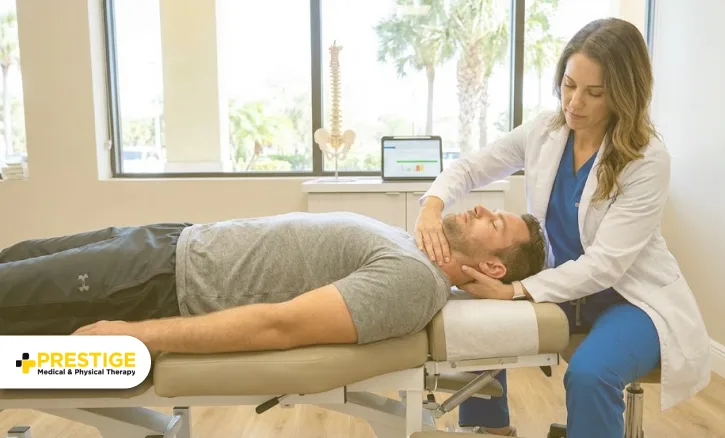
An adjustment does more than align bones. It stimulates mechanoreceptors in your joints. This stimulation sends a rapid signal to the brain that overrides pain signals. This is why many patients feel immediate relief.
This process also breaks up adhesions in the connective tissue. It allows your lymphatic system to flush out the inflammatory chemicals that have built up around the injury. You are not just getting straighter. You are chemically clearing the area of metabolic waste.
2) Myth vs Fact: The Truth About Treating Back Pain
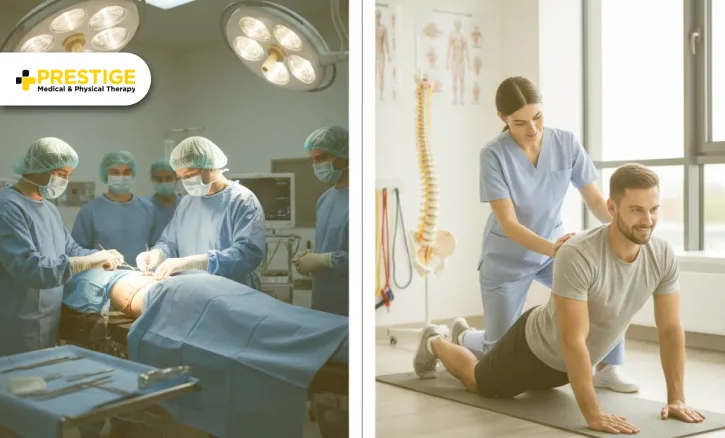
We believe in providing you with clarity regarding your health options. There is a lot of misinformation about back pain that leads people to choose surgery or opioids when they do not need to. We want to provide the facts through a medical lens.
(i) Necessity of Surgery
Myth: If I have a herniated disc or severe pain, surgery is the only way to fix it. Fact: Surgery is necessary in only a small percentage of cases. Most herniated discs shrink and heal over time with the right conservative care. Surgery comes with significant risks, including infection and long recovery times. Non-surgical options offer relief without the trauma of an operation.
(ii) Danger of Movement
Myth: I should stay in bed and rest until the pain goes away. Fact: Prolonged bed rest can actually make your back pain worse. Inactivity causes muscles to weaken and tighten. This creates a cycle of stiffness and pain. Controlled, gentle movement is vital. It pumps blood to the injured soft tissues and speeds up recovery.
(iii) "Quick Fix" of Medication
Myth: Painkillers cure the problem. Fact: Medication only masks the signal. Opioids and anti-inflammatories numb the sensation of pain, but they do nothing to correct the misalignment or compression causing it. Reliance on medication can lead to dependency without ever solving the root issue. Is physical therapy better than pain medication? This is a question many patients ask when looking for long-term solutions.
(iv) The "Pop" Sound
Myth: The popping sound during an adjustment is bones rubbing together. Fact: That sound is a harmless release of gas. It is a process called cavitation. Nitrogen and carbon dioxide bubbles form in the joint fluid and are released when pressure changes. It is a sign of tension release, not bone damage.
3) Does Conservative Care Work? Looking at the Numbers
When we look at the data, the case for non-surgical care is compelling. Clinical studies and meta-analyses consistently show that conservative treatments are effective for both acute and chronic pain. Many people wonder, does physical therapy actually work for chronic back pain?, and the statistics support its efficacy.
National and Global Statistics:
Prevalence: According to the CDC National Health Interview Survey, approximately 39.0% of U.S. adults reported experiencing back pain in the past three months
Leading Disability: As per World Health Organization via NIH, low back pain is recognized as the leading cause of disability globally, accounting for the largest number of people requiring rehabilitation services
Success Rates: Research published via the National Institutes of Health (NIH) highlights that 90% to 95% of low back pain cases are mechanical in nature and suitable for conservative management without surgery.
Patient Satisfaction and Outcomes:
High Satisfaction: Over 83% of patients report high long-term satisfaction after chiropractic care as their system stabilizes.
Resolution of Symptoms: Roughly 90% of low back pain episodes resolve without surgery.
Reduced Recurrence: Patients who combine physical therapy with adjustments are less likely to experience a return of their symptoms because they have strengthened the supporting muscles.
4) Safety First: How We Monitor Your Nervous System

We prioritize your safety above all else. While our treatments are gentle and non-invasive, it is important to understand your body’s signals.
(i) Normal Post-Treatment Sensations:
You may feel a temporary wave of fatigue or mild muscle soreness after your first few sessions. This is a normal "healing crisis." Your body is processing metabolic byproducts like lactic acid that were released from tight muscles. These symptoms typically resolve within 24 to 48 hours.
(ii) When to Seek Emergency Care:
According to medical guidelines, you should contact a medical facility immediately if you experience severe neurological changes. These include:
Sudden loss of bladder or bowel control.
Numbness in the "saddle" area (groin and inner thighs).
Severe weakness in your legs that causes you to stumble.
These are signs of a rare condition called cauda equina syndrome, which requires immediate medical attention.
5) How to maintain Your Progress Between Visits
We want you to achieve the best results from your care at Hess Spinal and Medical Center. Your actions at home play a vital role in how quickly your body repairs itself.
(i) Prioritize Hydration
Your spinal discs are largely made of water. Hydration is essential for the "imbibition" process we described earlier. Water also acts as the vehicle for your lymphatic system to flush out the metabolic waste we release during treatment. We recommend drinking plenty of pure water throughout the day.
(ii) Engage in Light Movement
Gentle walking is one of the best things you can do for your back. It engages the core muscles without straining the spine. It encourages blood circulation and lymphatic flow. Avoid heavy lifting or high-impact activities for the first 24 hours after an adjustment to give your ligaments time to stabilize.
(iii) Use Heat and Ice Appropriately
Ice is generally best for the first 48 hours of a new injury to reduce acute inflammation. Heat is better for chronic stiffness or muscle spasms to increase blood flow and relax the tissues.
6) The Difference Hess Spinal & Medical Centers Make
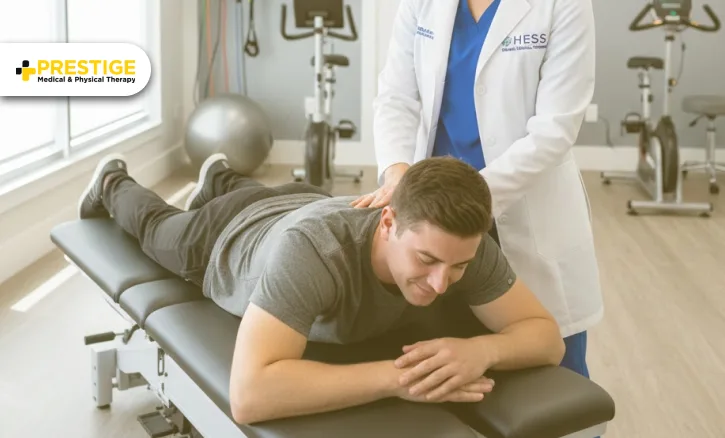
Our approach at Hess Spinal and Medical Center is unique because we are an integrated facility. We do not force you to choose between a medical doctor, a chiropractor, or a physical therapist. We bring them all together for you.
Why Our Integrated Approach Gets Better Results:
We use digital radiography and medical evaluations to see the full picture of your injury.
Your chiropractor communicates directly with your physical therapist. If we adjust your spine to restore motion, our therapists will immediately give you exercises to stabilize that new motion.
We treat the whole person. We understand that spinal health affects your nervous system, your mood, and your overall biological function.
Choosing an integrated medical center ensures that your care is part of a comprehensive health strategy. Our goal is to empower you with the knowledge and the physical health to live a vibrant life.
Answers to Your Most Common Questions
Is spinal decompression painful?
No. Most patients find it incredibly relaxing. Some even fall asleep during the session. You will feel a gentle stretch in your spine, but it should never be painful.
How long does it take to see results?
Many patients feel relief after just one or two sessions. However, lasting correction takes time. Your muscles need to relearn how to hold your spine in the correct position. For more details on the timeline, see how long does it really take to recover after physical therapy?.
Can I stop taking my pain medication?
Our goal is to reduce your need for medication. As the mechanical cause of your pain resolves, the inflammation will decrease. You should always consult with the prescribing physician before stopping any prescription medication, but many of our patients find they no longer need painkillers after a few weeks of care.
Will my insurance cover this?
Most insurance plans cover chiropractic care and physical therapy. We also specialize in treating auto accident injuries and can work with your attorney to handle the billing so you can focus on healing.
Is it safe to get adjusted if I have osteoporosis?
We tailor our techniques to your specific medical history. If you have low bone density, we use gentler, low-force methods or focus on non-compressive therapies like physical therapy to ensure your safety.
Disclaimer: This article is for educational purposes and does not constitute medical advice. Please consult the specialists at Hess Spinal and Medical Center for a personalized diagnosis and treatment plan.
Recent Blogs